An ATV is built to handle challenging environments, but even the toughest machine needs regular care.
Mud, dust, water, rocks, uneven terrain, and heavy use can all place stress on an ATV. Without proper maintenance, small problems can eventually become expensive repairs or affect the performance and safety of the machine.
The good news is that many basic ATV maintenance tasks are straightforward. With regular inspections and proper care, you can help keep your ATV performing well and extend its useful life.
At ATV Avenue, we believe taking care of your ATV is just as important as choosing the right one. Here are some essential maintenance practices every ATV owner should understand.
Cleaning your ATV after riding is one of the simplest ways to protect it.
Mud and dirt can accumulate around the wheels, suspension, engine area, brakes, and other components. If left in place for long periods, dirt and moisture can contribute to corrosion and make it harder to identify developing problems.
After riding through mud or wet conditions, give your ATV a thorough cleaning. Pay particular attention to areas where dirt tends to collect.
However, avoid directing high-pressure water directly at sensitive electrical components, bearings, seals, and other areas that can be damaged by excessive water pressure.
Engine oil plays an essential role in protecting the engine.
Follow the manufacturer’s recommended oil type and replacement schedule. Check the oil level regularly and look for signs of contamination or unusual changes.
If your ATV is used frequently or under demanding conditions, regular oil changes become particularly important.
Always follow the maintenance instructions provided for your specific ATV model.
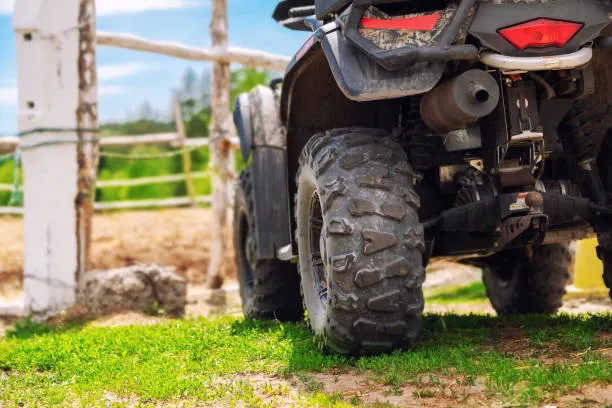
Your tires are one of the most important contact points between your ATV and the terrain.
Before riding, inspect the tires for cuts, cracks, punctures, excessive wear, or other damage. Also check that tire pressure is within the manufacturer’s recommended range.
Incorrect tire pressure can affect handling, traction, comfort, and tire wear.
If you frequently ride on difficult terrain, make tire inspections part of your regular routine.
Brakes should never be overlooked.
Inspect brake components regularly and pay attention to changes in braking performance. If the brakes feel unusually soft, noisy, weak, or inconsistent, have the ATV inspected before continuing to ride.
Brake components naturally wear over time, particularly when an ATV is used frequently or in demanding environments.
If your ATV uses a battery, inspect it periodically.
Look for corrosion around the terminals and ensure connections are secure. A weak battery can cause starting problems and affect electrical systems.
If the ATV will be stored for an extended period, follow the manufacturer’s recommendations for battery maintenance and storage.
The air filter helps prevent dirt and debris from entering the engine.
ATVs often operate in dusty and dirty environments, meaning the air filter can become clogged more quickly than you might expect.
A dirty air filter can restrict airflow and negatively affect engine performance.
Inspect and clean or replace the filter according to the manufacturer’s recommendations and your riding conditions.
Depending on the ATV model, power may be transferred through a chain, belt, shaft, or another drivetrain system.
Inspect the relevant components regularly for wear, damage, incorrect tension, or other issues.
If your ATV uses a chain, proper lubrication and adjustment are especially important.
The suspension system helps your ATV handle uneven terrain, while the steering system allows you to control the machine.
Inspect suspension components and steering connections regularly. Look for loose parts, unusual noises, leaks, or changes in handling.
If your ATV suddenly feels unstable or behaves differently from normal, stop riding and investigate the issue.
Quality accessories can also help protect your ATV.
A properly fitted ATV cover can protect your machine from dust, sunlight, and weather during storage. Storage accessories can help keep equipment organized, while protective equipment can help shield certain parts of the ATV during demanding use.
Choosing accessories based on how you use your machine can make ownership more convenient.
Every ATV is different.
The owner’s manual should be your primary reference for service intervals, recommended fluids, replacement parts, tire pressure, lubrication points, and other maintenance requirements.
Don’t ignore scheduled maintenance simply because the ATV appears to be running normally. Preventive maintenance can help identify issues before they become serious.
Taking care of your ATV doesn’t have to be complicated. Regular cleaning, inspections, fluid checks, tire checks, and scheduled servicing can make a significant difference in the long-term performance of your machine.
At ATV Avenue, we’re passionate about helping riders get more from their ATVs. Whether you’re purchasing your first machine, looking for accessories, or preparing for your next adventure, taking care of your ATV should always be part of the journey.